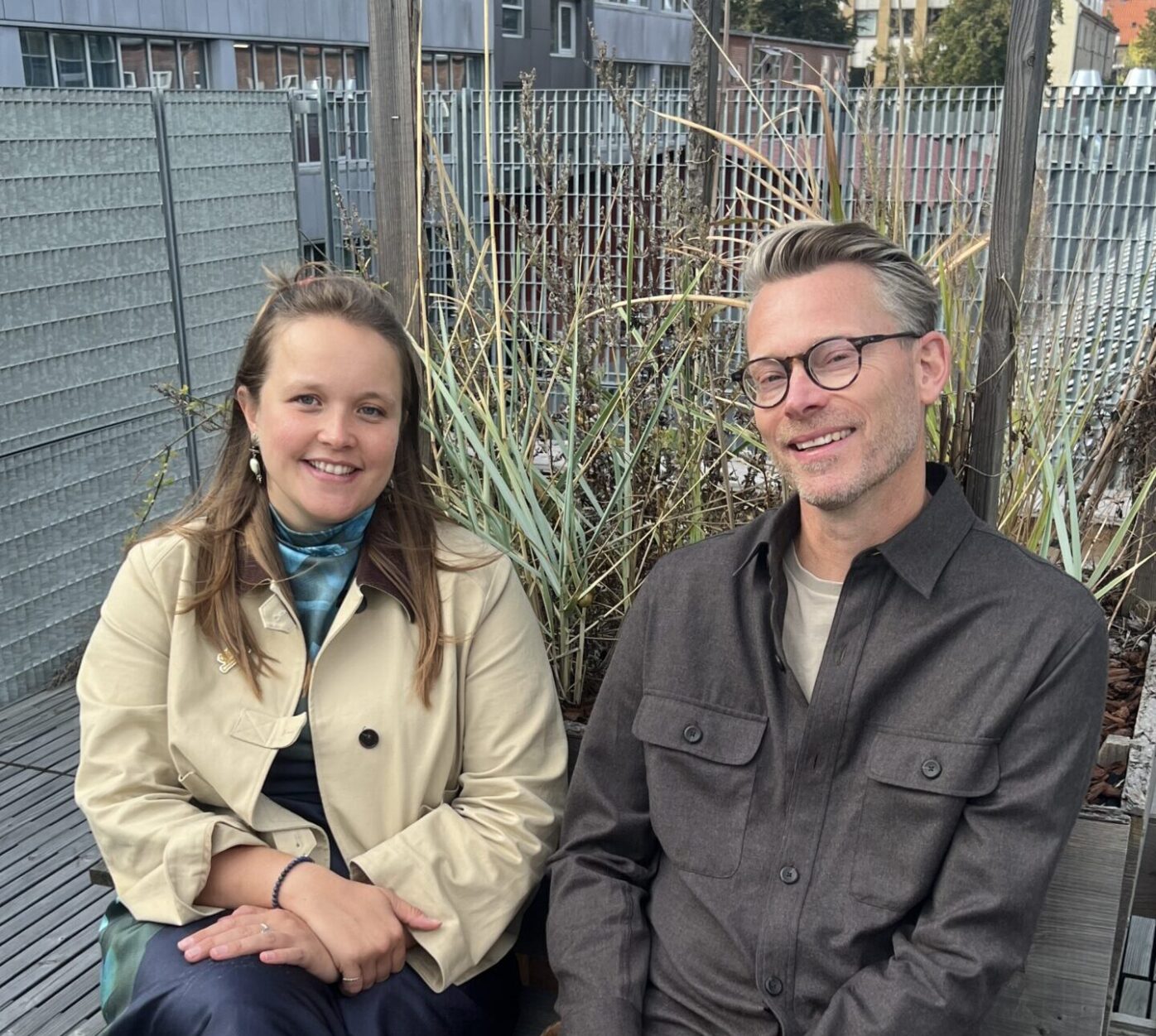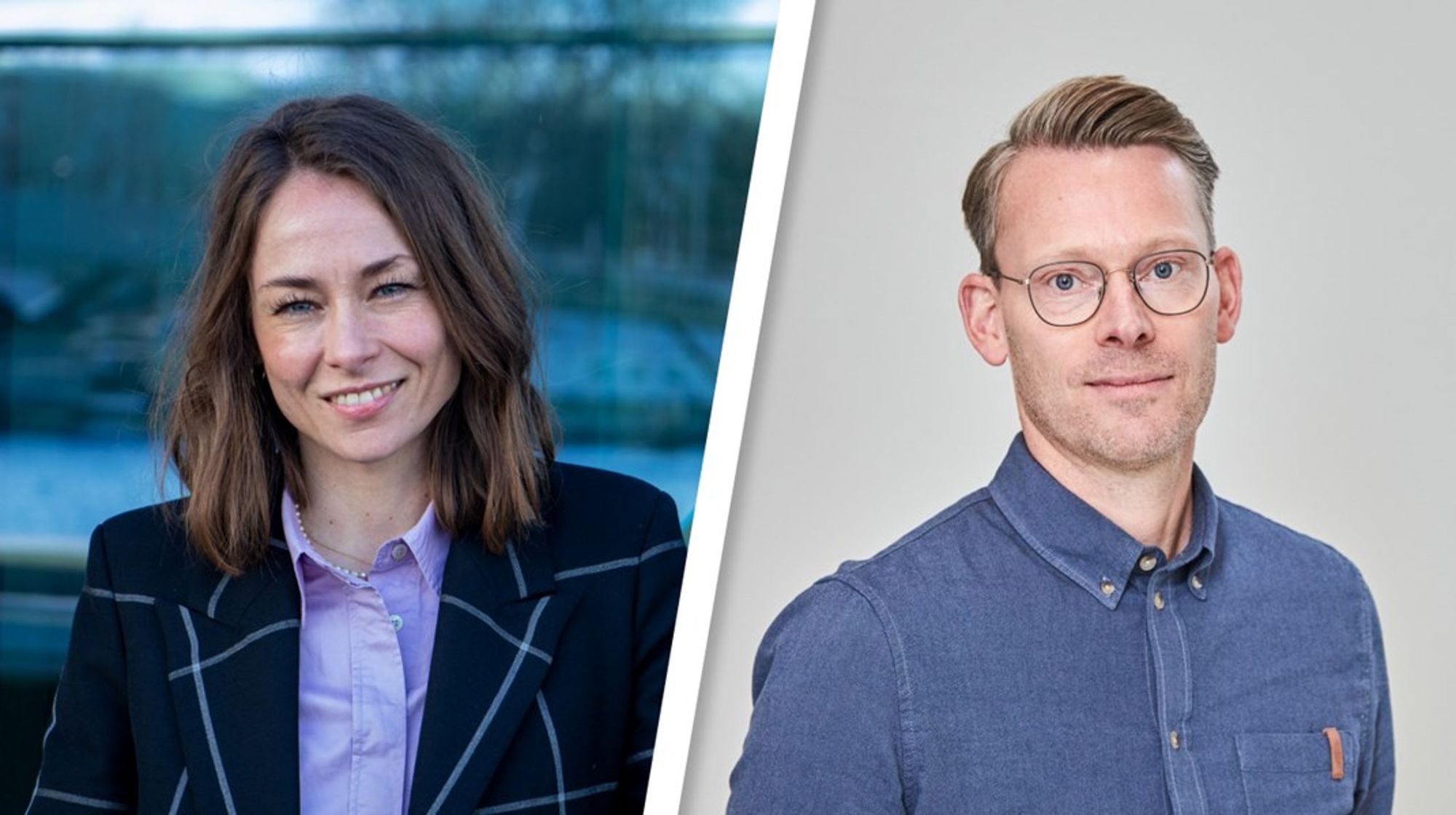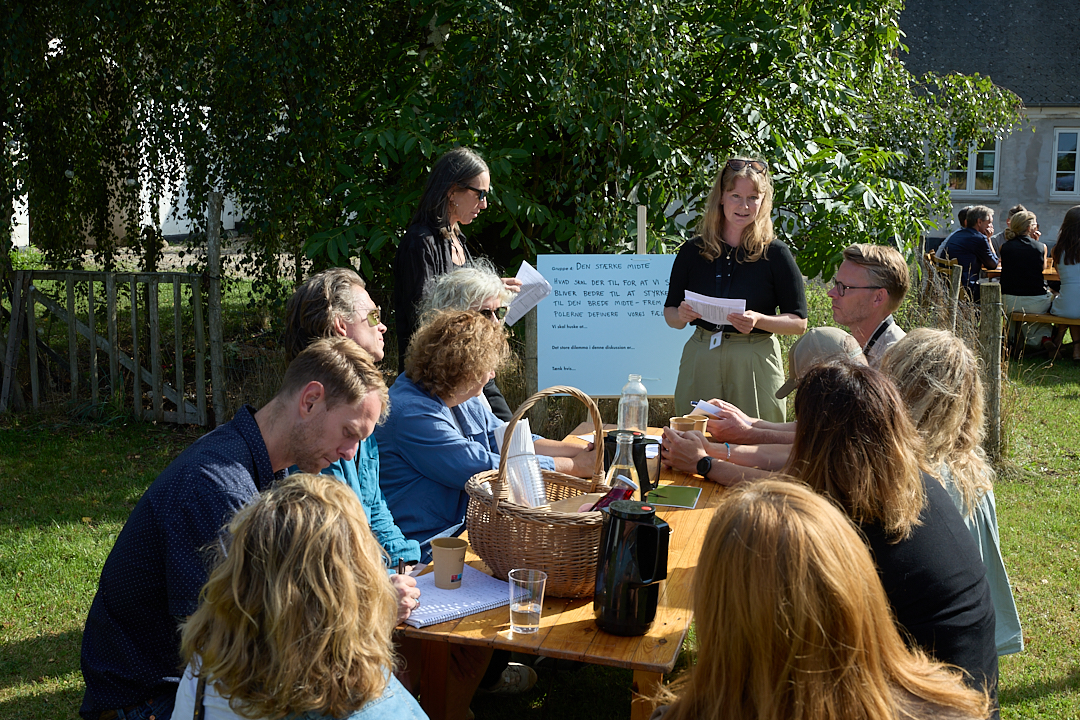
If we are to strengthen the welfare system of the future, we must start where people live and go about their daily lives. That is the view of Rikke Lønne, department head at BL – Danmarks Almene Boliger. Through her membership in the Danish Association of Social Housing ( Danish Social Innovation Academy ), she has gained new perspectives on how local practical experiences can pave the way for a new approach to organizing welfare in Denmark.
As the head of the nationwide organization “ organisation n BL – Danmarks Almene Boliger,” Rikke Lønne is focused on major changes. What does it take to create the momentum needed to move an entire society in a new and more positive direction?
At the same time, she knows from experience that the work often begins locally—in residential neighborhoods, in relationships, and in everyday life. In public housing communities, the concentration of both people and challenges is high compared to the rest of society. But so, too, is the concentration of experience with what actually works. In comprehensive social housing plans, municipalities, regions, local welfare institutions, housing organizations, and civil society are already collaborating closely on complex issues such as employment, integration, and well-being. Rikke is working to translate these experiences into national solutions.
“For me, the cross-sectoral social efforts in vulnerable public housing neighborhoods are an example of how we can successfully come together to tackle a challenge. And that’s an approach that’s in demand in all kinds of contexts today,” says Rikke.
STORIES OF CHANGE
How do we showcase the change we’re creating? This is a recurring question among many who work toward long-term social change.
In 2026, Danish Social Innovation Academy is working to create new stories of change based on the Academy’s own work and the stories of its members. To this end, the secretariat has gathered knowledge and experiences from members through logbooks, qualitative interviews, surveys, and observations.
Throughout the year, you’ll have the opportunity to meet a number of members and learn more about what they take away from the Academy and the difference they make in society.
Read interviews with Anna Mollerup, director of Paths for Everyone; Torben Vind Rasmussen, chair of Efterskolerne; Ania Stoltz-Andersen, project manager at TrygFonden; and Allan Klie, director of Fonden Aspiranterne
A New Way to Organize Social Services
Rikke Lønne and her colleagues at BL have been working on welfare issues rooted in specific communities for many years. But through her membership in the Danish Association for Social Work ( Danish Social Innovation Academy ), Rikke has had the opportunity to explore this approach in a broader societal context.
“The Academy can outline the future of the welfare system.”
Rikke Lønne, BL
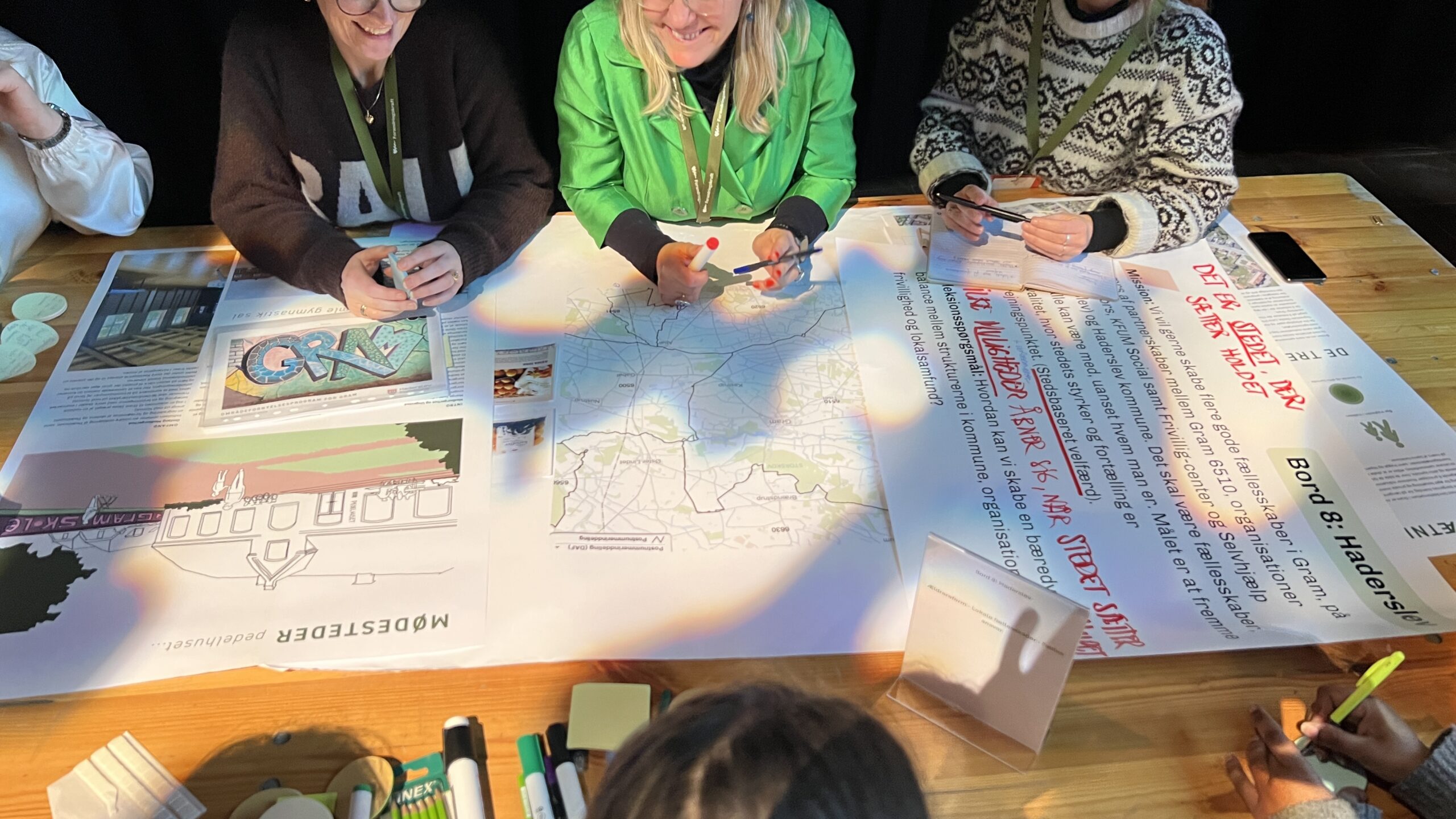
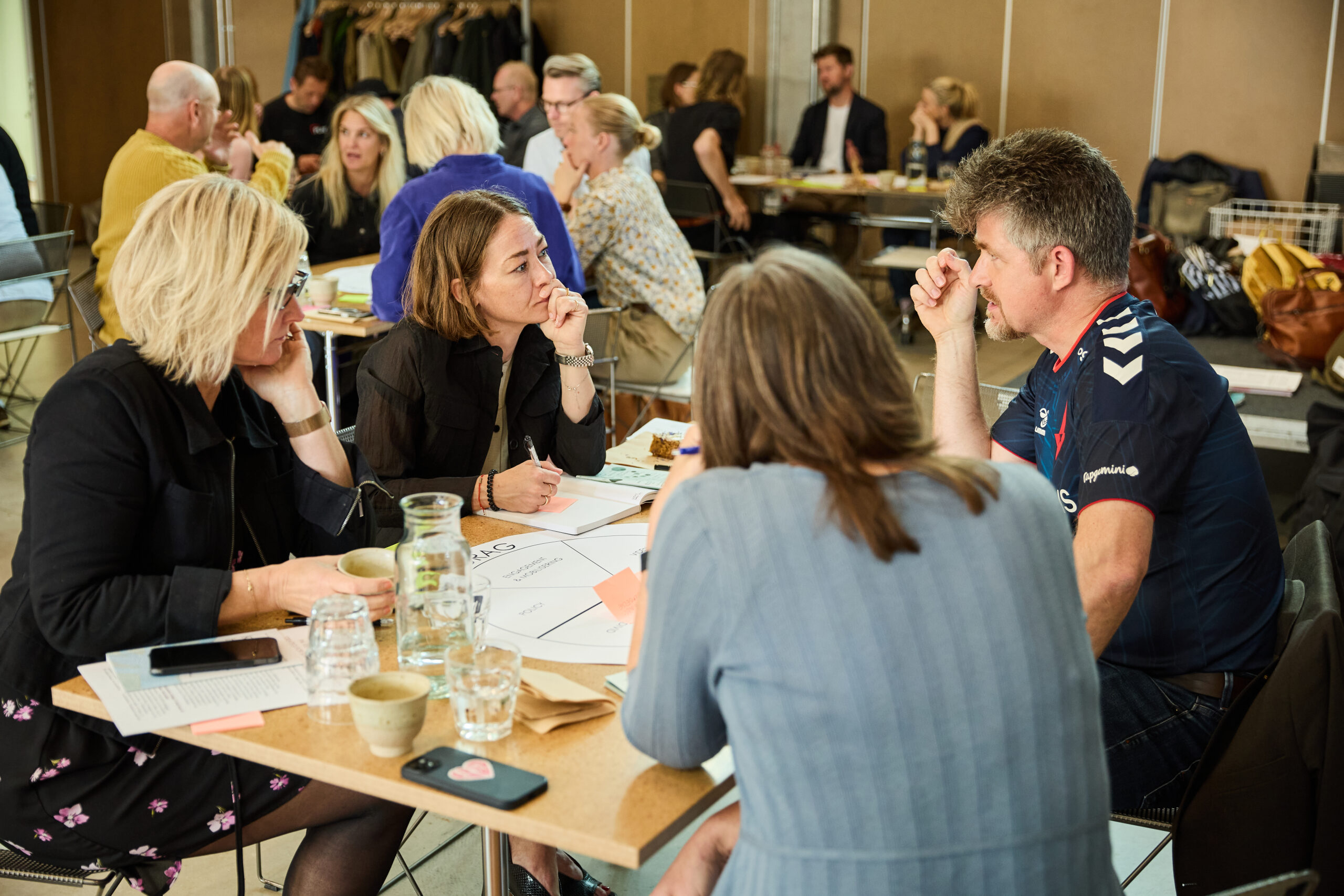
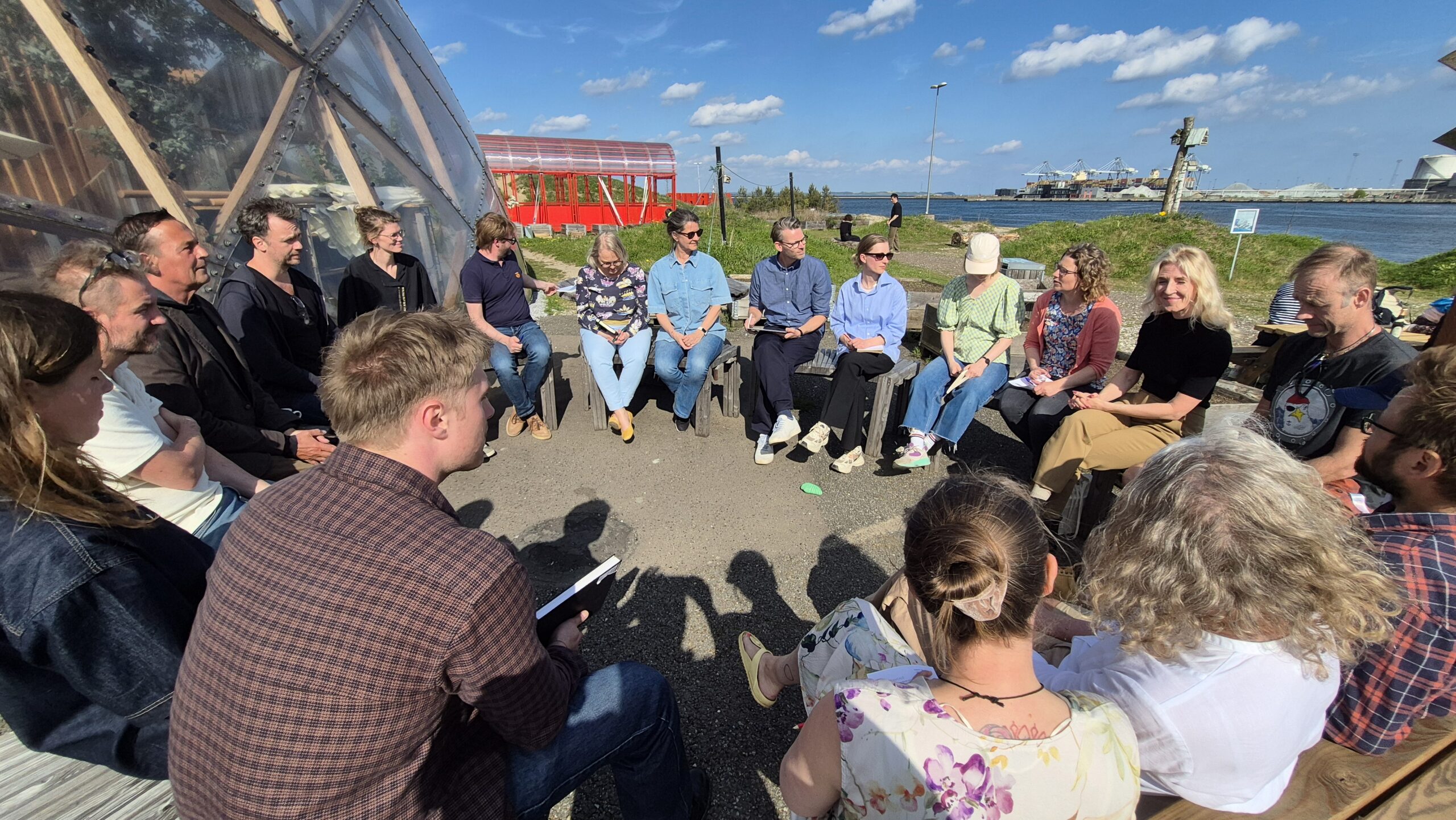
As part of the Academy’s “Place-Based Welfare” working group, she has collaborated with leaders from other sectors to examine the significance of place for the future of welfare. This has provided her with a framework for a practice that already existed in public housing communities and has sharpened her understanding of how these insights can be applied far beyond the public housing sector.
“The Academy—the collective of the organisations members—offers some answers that hold enormous potential,” says Rikke. “The strength of the Academy is that many of us are also active in the field. So there is room for the Academy to outline the future of welfare.”
Rikke describes her work as a movement between levels: from practice to policy and back again. Local solutions are analyzed, adapted, and incorporated into national agendas, where they can create new frameworks for welfare. At the same time, they are brought back to practice in new forms. It is through this interaction that place-based welfare becomes a driving force for systemic change. And it is an approach with the potential to transform how we understand and organize welfare in Denmark.
From Local Experiences to National Health
A concrete example of Rikke Lønne’s work on place-based welfare is the health sector. Drawing on many years of experience in social housing, Rikke and her colleagues at BL are working to reduce health inequalities. They do this, among other things, by bringing health services closer to the daily lives of the people who need them most.
Specifically, BL is working to:
- Healthcare services are physically located within residential areas.
- Local stakeholders, such as building managers and volunteers, are involved in fostering access and trust.
- The physical environment is designed to support physical activity, community, and well-being.
This approach addresses both geographic and social inequalities in health. The barriers to accessing care are not only about physical distance, but also about people’s circumstances, relationships, and trust in the healthcare system.
“The Academy is offering some answers that hold tremendous potential.”
Rikke Lønne, BL
The approach has already gained traction at the national level, where the Danish Health Authority has allocated 45 million Danish kroner to test it in several municipalities and residential areas.
“That way, we elevate it to the policy level and create the conditions for funding based on practical experience,” says Rikke.
Part of BL’s work in the health sector is carried out in partnership with KL. Most recently, the two organizations— organisations —launched the health program “Pionér—Working Together for Local Health” with a major grant from the Nordea Foundation . The program develops and tests a new model for local public health, in which public housing communities serve as platforms for community-based health initiatives—for both residents and citizens in the surrounding areas.
Work in the health sector illustrates a key potential of place-based welfare: When different stakeholders come together to address a specific challenge in a local community, it becomes clear that tasks do not necessarily follow organizational boundaries. This opens the door to new collaborations and new ways of allocating responsibilities, with citizens’ daily lives as the common focal point.
This approach addresses both geographic and social inequalities in health. The barriers to accessing care are not only about physical distance, but also about people’s circumstances, relationships, and trust in the healthcare system.
New relationships and a language for what works
It is precisely this ability to make the cogs in the system mesh in new ways that Rikke Lønne sees as the core of real change.
Through “ Danish Social Innovation Academy ,” Rikke has gained new knowledge and built relationships that have strengthened her ability to apply this approach in new contexts. When she advocates for place-based welfare today, she can draw on a shared understanding and a growing movement that spans sectors.
“The language of cross-cutting systemic change is evolving. At the Academy, we can reflect on it and put it to the test. I gain a deeper understanding of what we’re doing when we work the way we do, and I gain insight into other approaches,” says Rikke. At the same time, she emphasizes that change happens when discussions about new approaches are translated into reality through the members’ work in their own organisations.
An approach of growing importance
For Rikke Lønne, the conclusion is clear: Location-based welfare is not a niche, but a central part of the welfare system of the future.
This is an approach that is already proving effective in practice and is gaining increasing political recognition. At the same time, it offers a response to some of the most complex challenges facing the welfare society, where solutions require collaboration across sectors and levels. The potential lies in doing more of what already works and in creating connections between the local and the systemic levels.
Rikke Lønne
Head of the Department of Strategic Cooperation and Development at BL. Rikke is responsible for initiatives and projects that support BL’s strategic objectives and agendas in the social and welfare sectors, including the development of democratic governance within associations and the role of the nonprofit sector as a civil society actor.
Member of the Academy since 2021. Member of the Academy’s working group on community-based welfare and working group on health. Member of the Academy’s board of directors since 2025