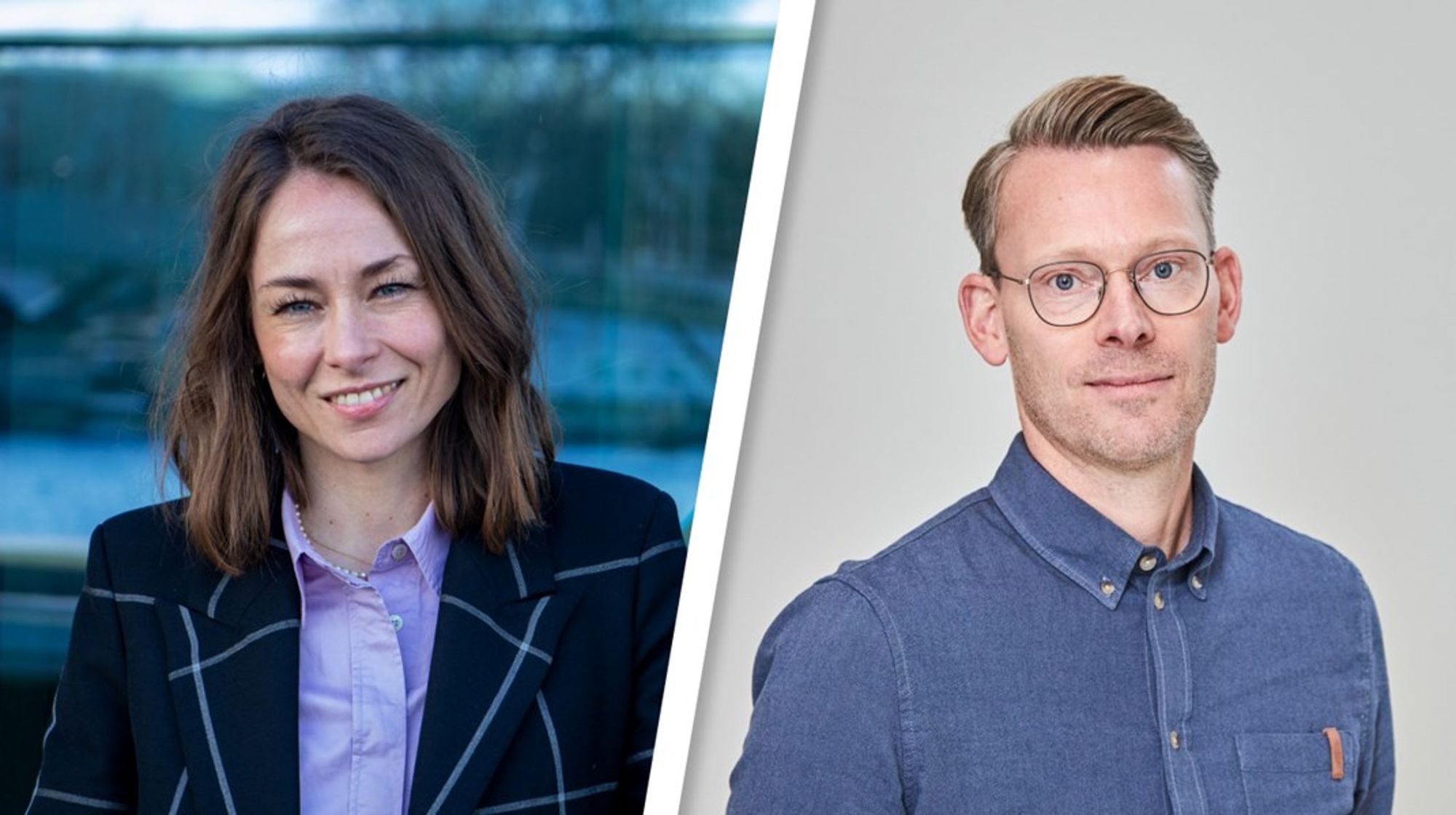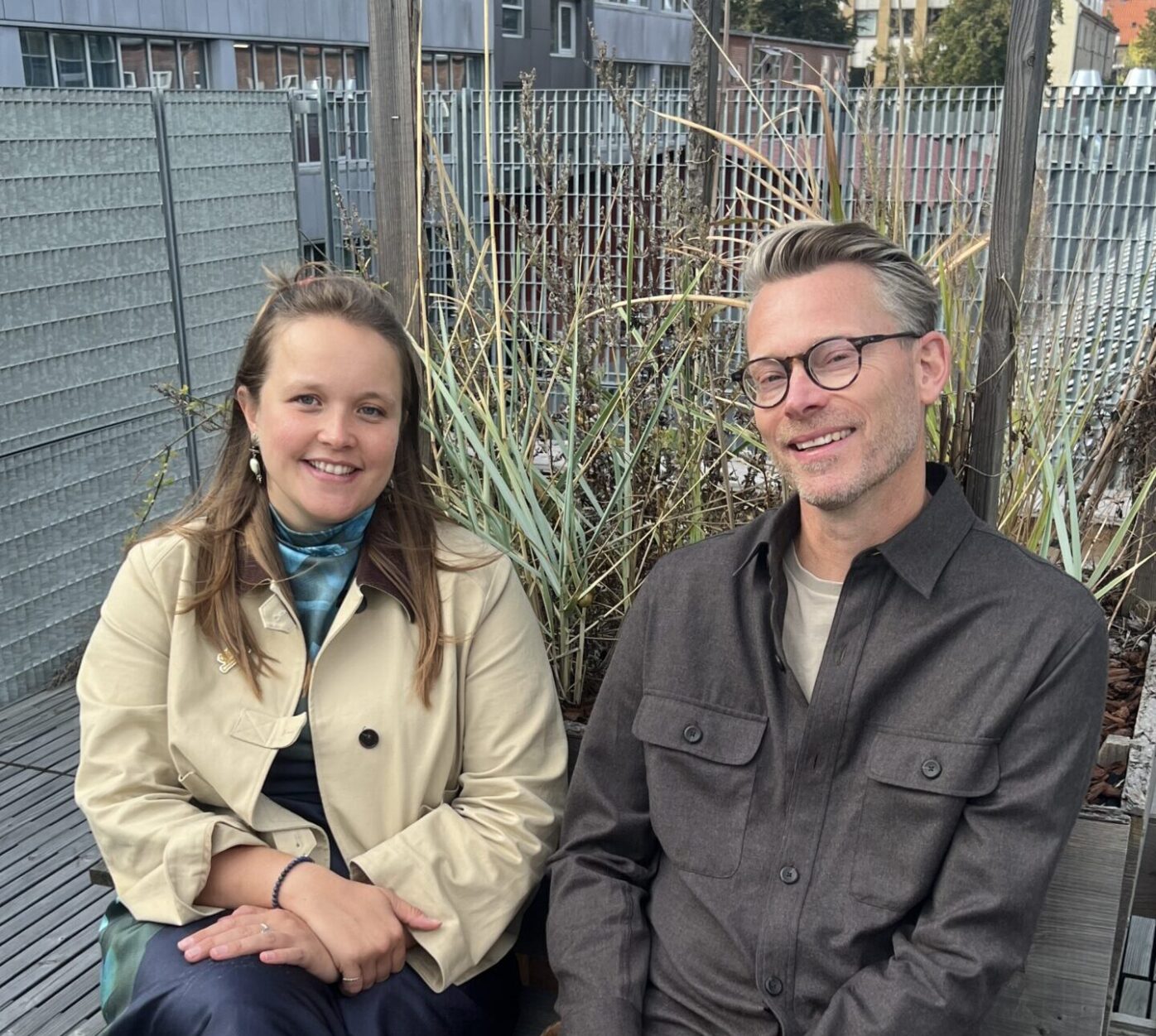
It’s not enough to simply improve what already exists: We need to rethink our relationships with one another, with nature, and with the future—including in the realm of social innovation, says Phoebe Tickell, Director of Moral Imaginations, in this conversation with Academy Director Anders Folmer Buhelt.
Among the Altai people of Siberia, humanity’s connection to life and nature is guided and nurtured by three teachers. A keeper of knowledge with a special ability to listen to the voice of the Earth; a spiritual teacher who can articulate humanity’s interconnectedness with nature; and a storyteller and throat singer whose voice and music guide the people into the future.
We in the West can learn a great deal from the Altai and other indigenous peoples’ understanding of humanity as part of a larger living whole if we wish to create a better society for future generations, says Phoebe Tickell, a performance activist and founder of the organization Moral Imaginations:
“My destiny is connected to yours, to that of other people, and to worlds beyond our own. So we must ask ourselves how we can care for others—including other species and future generations—and regard them as beings with personalities, rights, and dignity.”
Imagination and Social Innovation
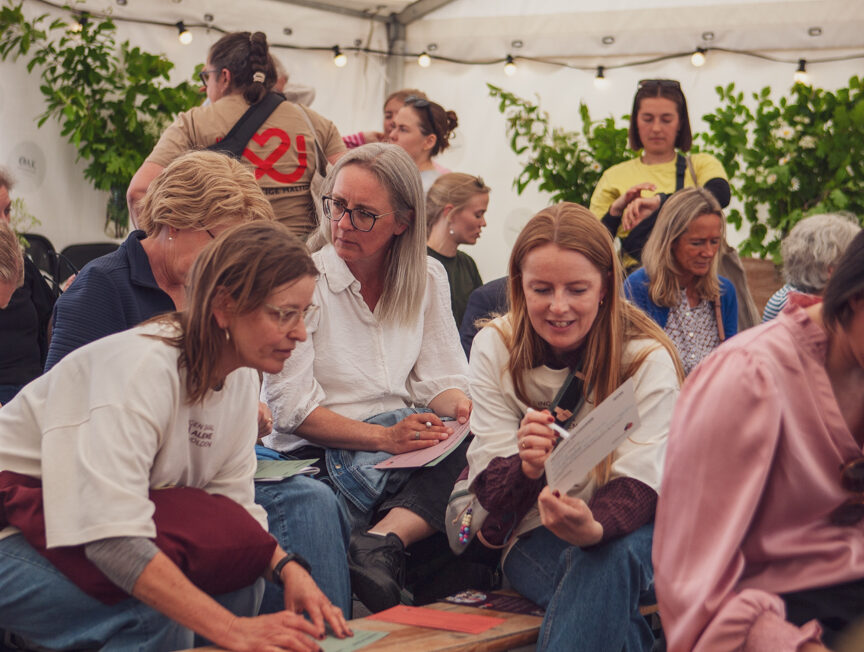
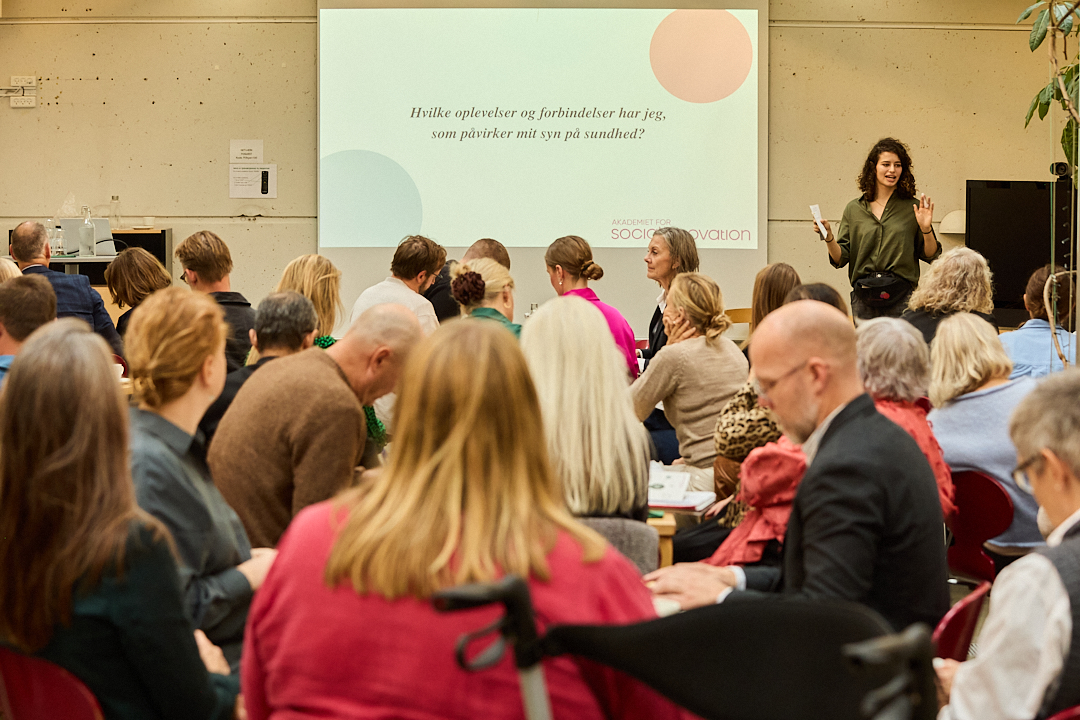
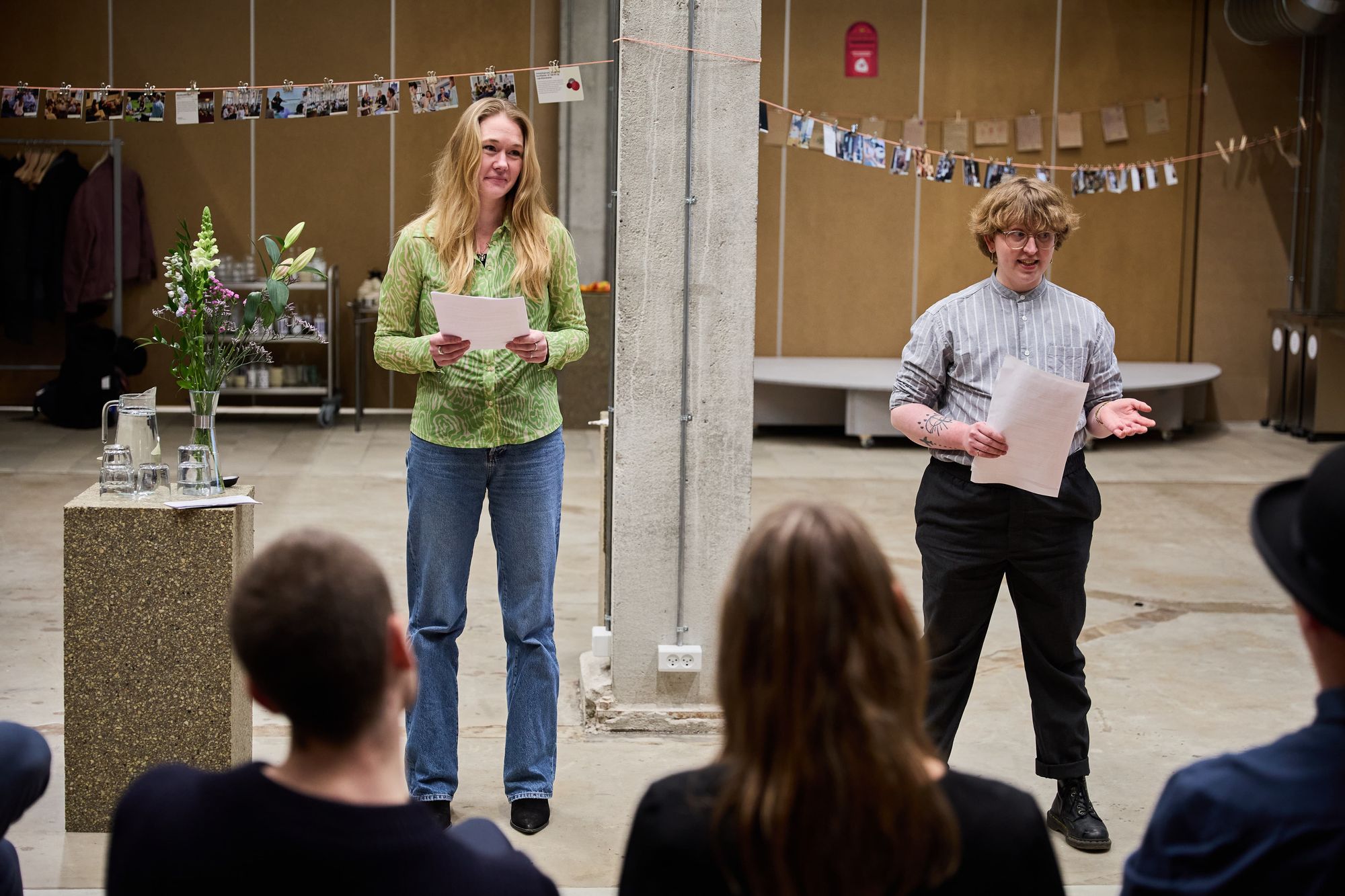
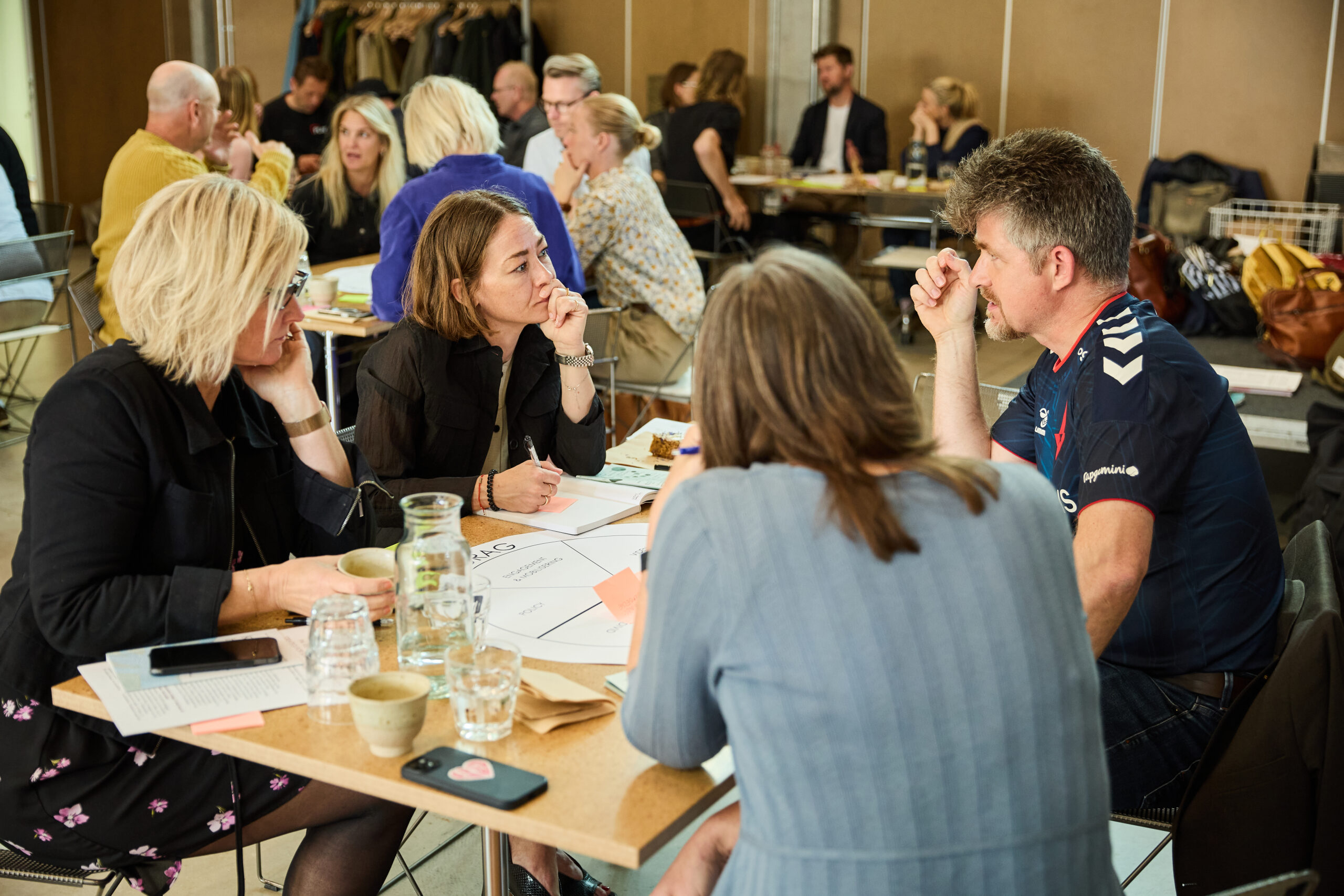
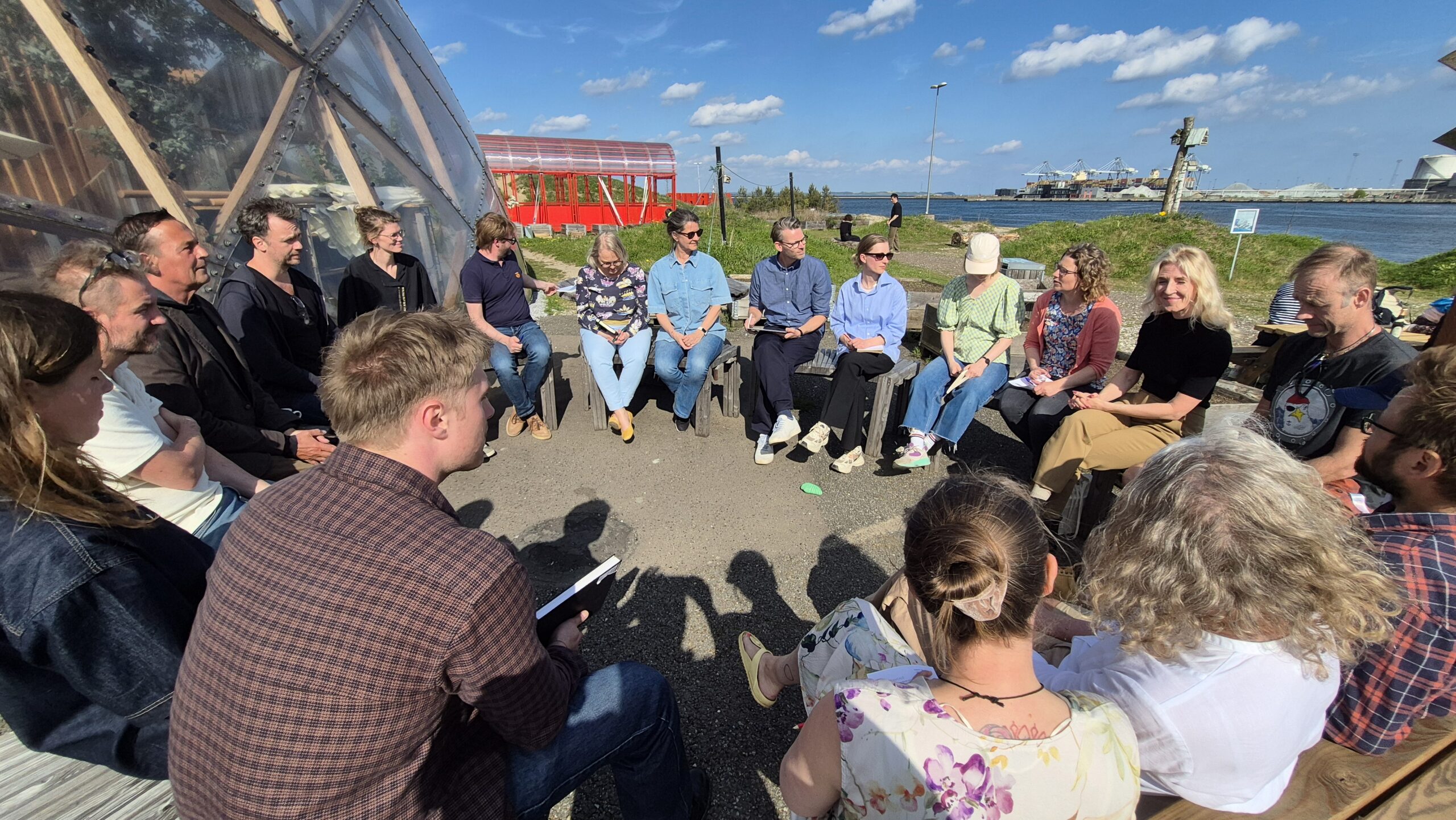
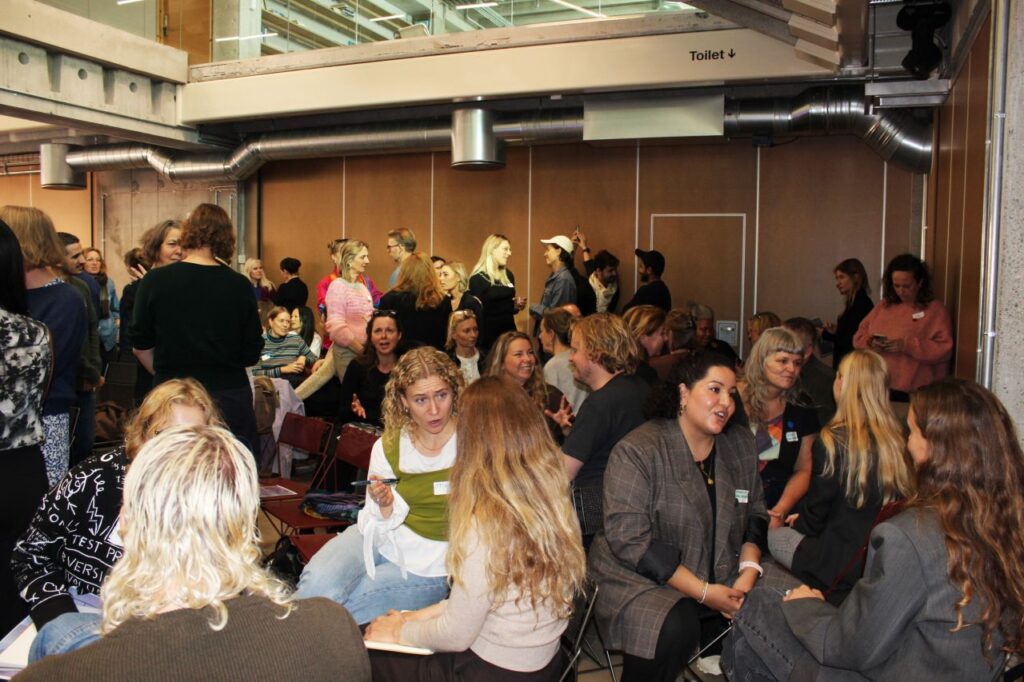
Phoebe Tickell recently spent two weeks in residence at the SNART Future Lab at Thoravej 29, invited by the Bikuben Foundation and Danish Social Innovation Academy. There, she taught, among other things, how to strengthen our collective ability to imagine better futures—what she refers to as “moral imagination.”
And it is precisely that ability that is crucial for social change—and not least for social innovation—says Academy Director Anders Folmer Buhelt.
“If we are to create a better society, we must be able to envision it. It doesn’t have to be a perfect society, but if we are to mobilize collective action, we also need to have an idea of what that action should be directed toward.”
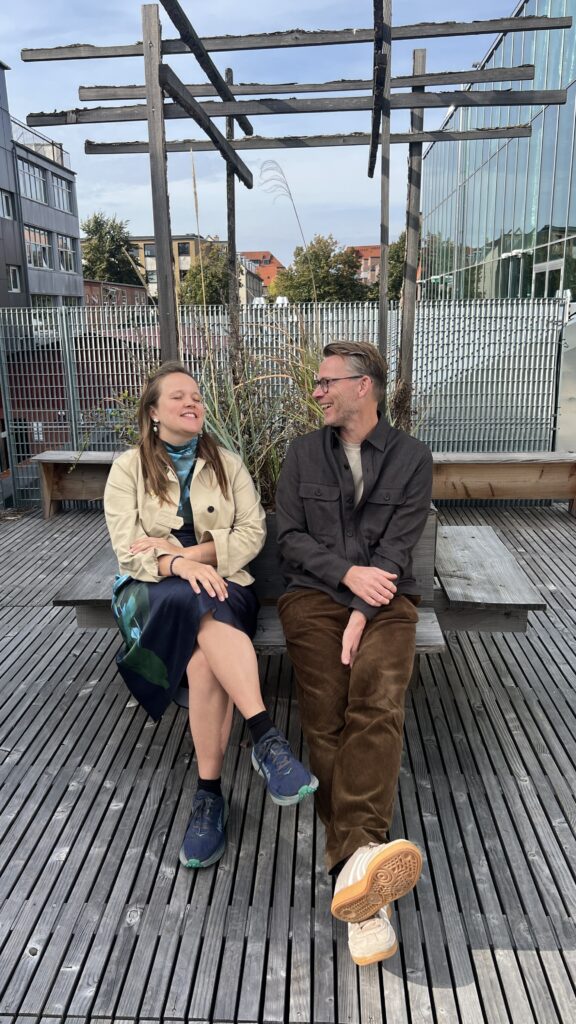
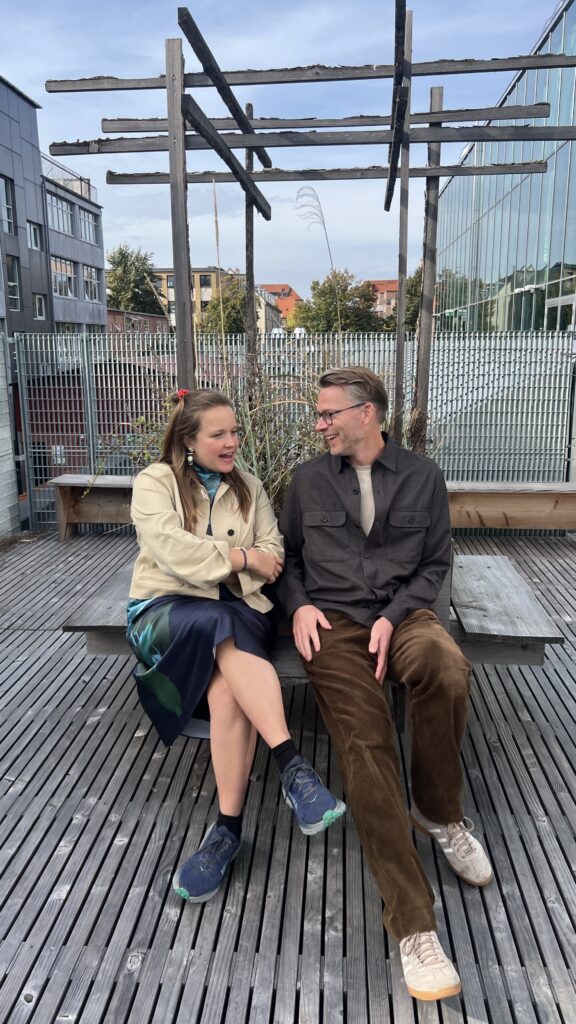
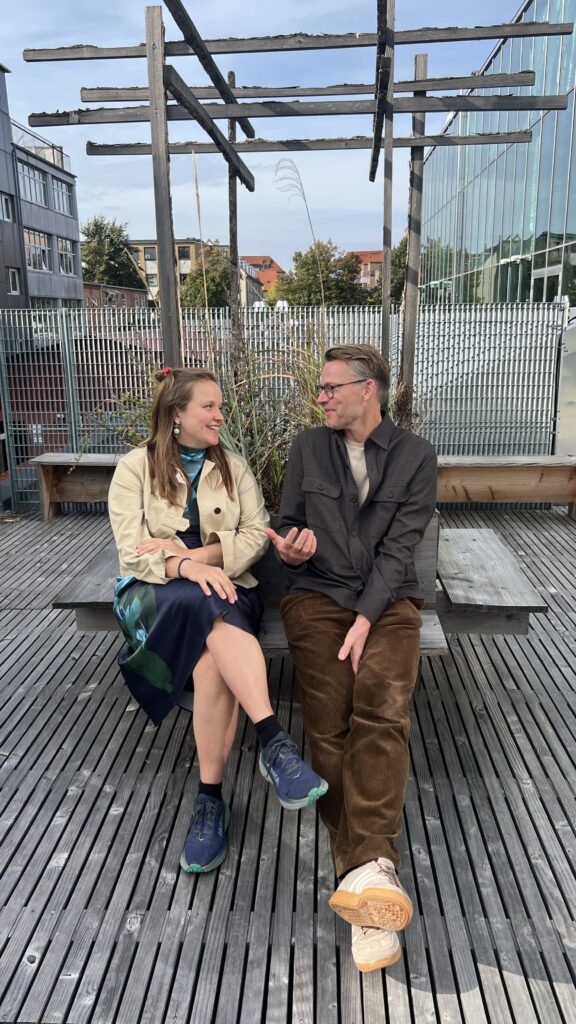
Phoebe Tickell agrees that social innovation encompasses many elements of moral imagination. But there is room to strengthen that worldview even further and make it an integral part of the approach.
“We cannot create well-being for some without considering the consequences for others. Our responsibility does not end with other people, but also extends to nature, other species, and future generations,” Phoebe emphasizes.
“At the same time, we must not overlook the fact that we still live in a society marked by widespread social injustice. We must create a better world for everyone, not just for the privileged few. Moral imagination means rethinking systems from the ground up. We go beyond incremental progress within the realm of the possible; we rethink what is possible and desirable for all species and for future generations,” she elaborates.
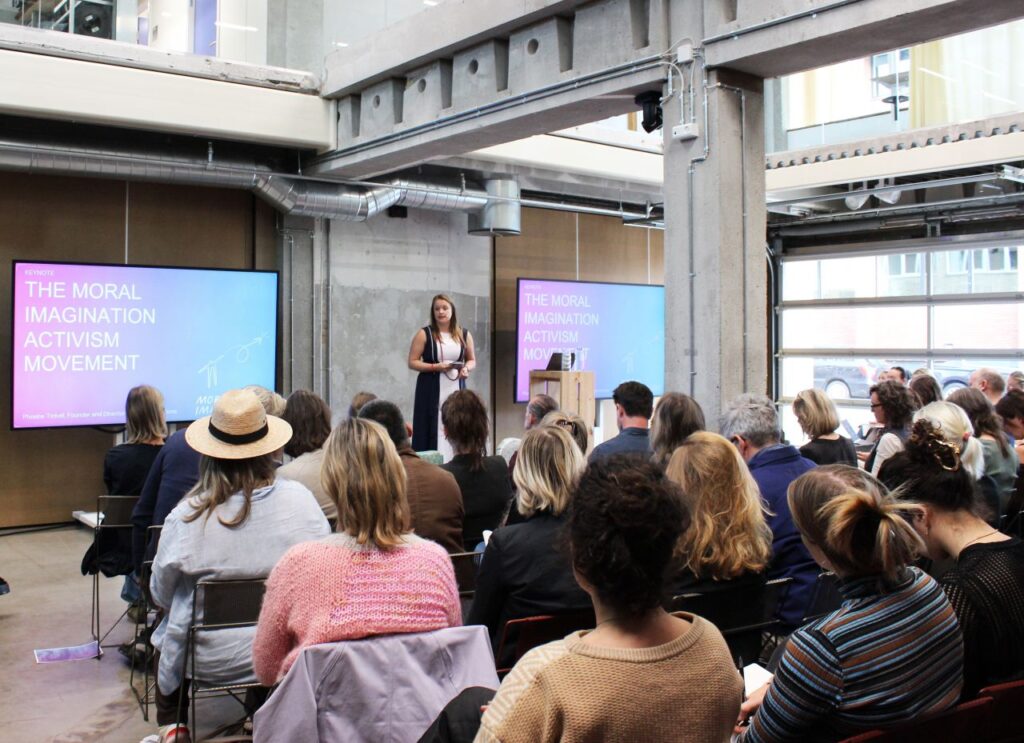
Phoebe Tickell teaches moral reasoning at Thoravej 29.
Radical Kinship
Tickell uses the term “radical kinship” to describe this understanding. It is about solidarity and care, but also about recognizing the dignity of other living beings and their right to exist on their own terms.
“The Academy plays an important role in broadening the understanding of social innovation,” says Academy Director Anders Folmer Buhelt. Together with the Academy’s Chief Analyst Anne Vorre Hansen and Secretariat Director Clara Dawe, he has written the book *Collective Agency*, which expands the concept of social innovation to include consideration of planetary boundaries. But he also shares the ambition to bring values, hope, and imagination more clearly into the work of social change.
“In the field of social innovation, many people try to remain apolitical. But we have to take a stand and believe that some things are better than others,” says Anders.
A Trojan horse
Moral imagination has deep roots in philosophy, but Phoebe Tickell has chosen to further develop the concept and place it within a new framework as an essential part of systemic change, drawing inspiration from ecology, complexity science, systems thinking, art, and activism.
She has also made a conscious choice to work with established institutions and companies and has, for example, taught at Fortune 500 companies and for governments.
She describes her academic background and experience as a kind of Trojan horse that has given her access to organisations and decision-makers who might otherwise have been skeptical of an approach with such radical ambitions.
“Among other things, I’ve used neuroscience to explain why imagination is so important for systemic change. I believe that you can, in fact, change the master’s house with the master’s tools—but not with the same mindset.”
Hope, Values, and Social Responsibility
Phoebe Tickell emphasizes that moral imagination is very different from the more conventional methods—such as foresight and forecasting—that many government agencies and large companies use.
“Forecasting is about looking to the future without changing one’s view of the present. Moral imagination isn’t about predicting the future, but about looking at where we want to go and then working backward from there to the present. Forecasting and foresight originated in the military and at the oil company Shell. It’s about maximizing profit, strengthening competitiveness, and catching the enemy off guard. Moral imagination is about hope, values, and our social responsibility. A completely different worldview is at play.”
But there are limits even to moral imagination.
“It can help us explore where we want to go and how we want to live together. Then the concrete work begins. If I want to build a house, I don’t stop at moral imagination. At some point, we have to move beyond ‘what if’ and engage with ‘what is’: the structures, interests, and constraints that exist here and now.”